
Examining trends in workforce recruiting
Posted On April 17, 2024
There is value to remote working arrangements. Workers often prefer it. Productivity typically hasn’t been affected – and in some cases even increases. The pool of talent from which a company can recruit isn’t bound by geography. But most companies that embraced it by necessity during the pandemic are moving away from it. So says our guest in a recent episode of “What’s Working with Cam Marston” – Chris Lawrence of the Chicago-based recruiting firm Hirewell. Lawrence, who is based in Hirewell’s Atlanta office, says the prevalence of remote work made for a banner year for recruiting firms in 2021…. Read More
Categories: Blog, Recruiting, What's Working with Cam Marston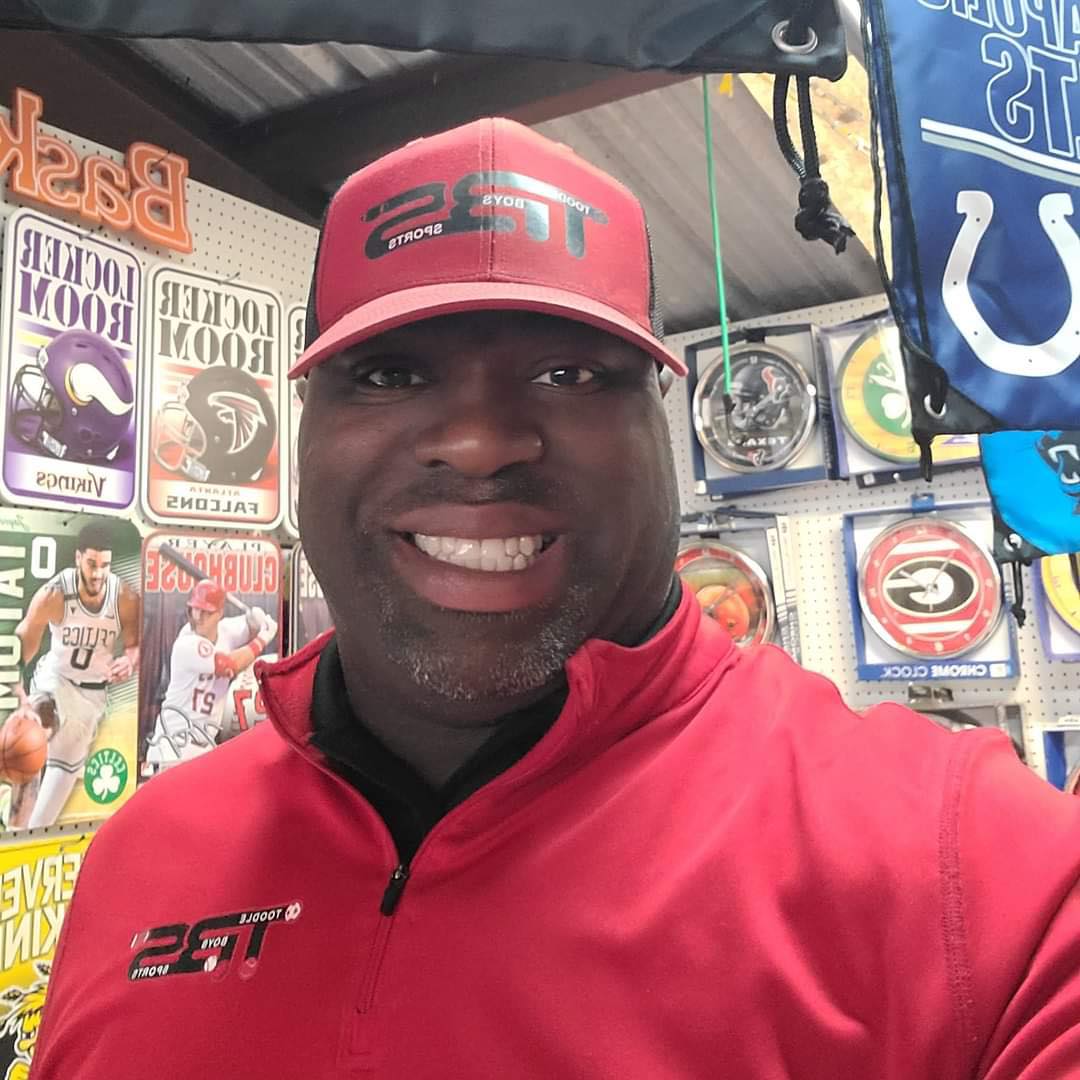
Selling team-branded gear (and getting smiles) just takes some personality
Posted On April 7, 2024
Shadrick Toodle came by his gift of charisma naturally. His mother raised six children and still found time to teach Sunday School and be the “candy lady” in the neighborhood. So when Toodle had kids of his own, he threw himself into their sports and other activities. And that, combined with his personal charm and judicious use of social media, has helped him build a business. Toodle, our guest in the latest episode of “What’s Working with Cam Marston,” owns Toodle Boys Sports, which designs, creates and sells unique branded clothing and other merchandise for high schools, club programs and… Read More
Categories: Blog, Entrepreneurship, What's Working with Cam Marston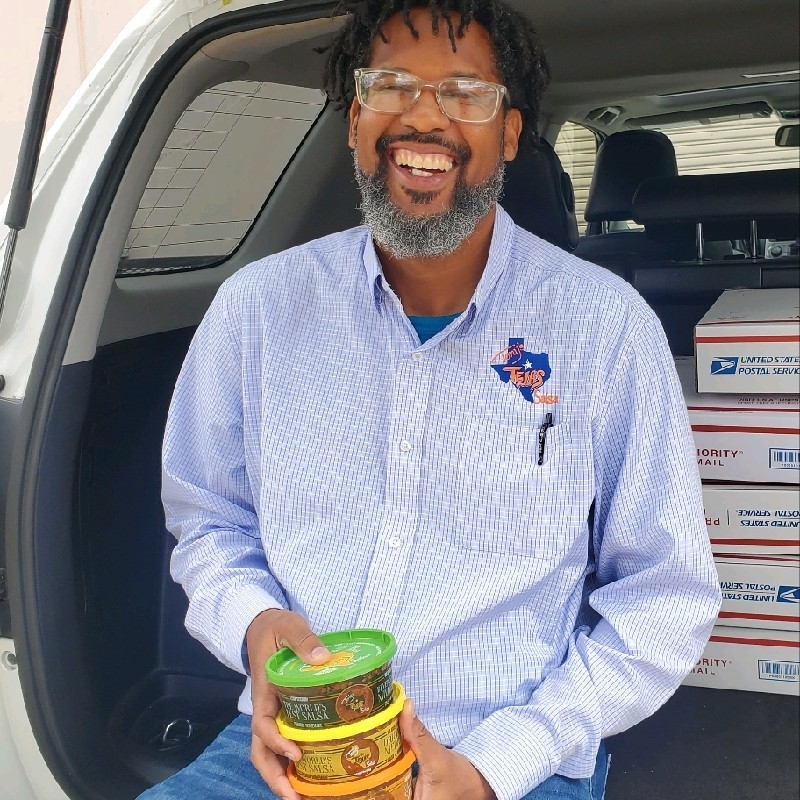
Creating the ‘World’s Best Salsa,’ and growing a brand
Posted On March 31, 2024
Cooking is in Tony Tejas ‘ blood. But his background is in restaurant management. Tejas has now combined his cooking skills and his business sense to create his own products and his own company. He shared how in a recent episode of “What’s Working with Cam Marston.” A Mobile native, he spent part of his younger years in Houston and developed a love for Mexican cuisine. During his 20 years as a restaurant manager, he developed a concept for his own restaurant. While that concept never got off the ground, it became the catalyst for something else. Disgusted at what… Read More
Categories: Blog, Entrepreneurship, What's Working with Cam Marston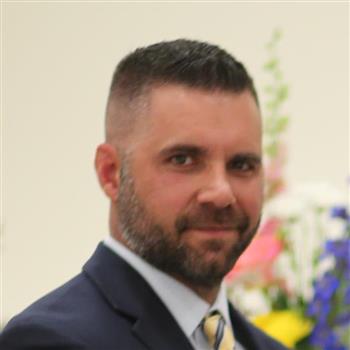
Preparing students for the workforce
Posted On March 26, 2024
We know, or by now we should know, that going to college isn’t the only path toward a good-paying and rewarding career. But many blue-collar industries are still in dire need of new employees who are ready to work, who will show up on time, and who have the skills to hit the ground running. Our guests in a recent episode of “What’s Working with Cam Marston” will be leading a school designed to produce just those kinds of employees. Baldwin Preparatory Academy is a career tech school opening in Loxley, Alabama, that will prepare students for the workforce. “All… Read More
Categories: Blog, Education, What's Working with Cam Marston
Falling in love with journalism despite the haters
Posted On March 14, 2024
Why would anyone want to go into journalism these days? It’s a consolidating industry where the jobs are decreasing, and the public seems increasingly hostile toward the profession. But people are still going into journalism, whether they be college students or others joining the trade later in life. Our guest in the latest episode of “What’s Working with Cam Marston” is someone who transitioned into the field from the financial industry, and considers herself lucky for having done so. Jill Schlesinger is a certified financial planner who moved into media and is now a business analyst at CBS News. She… Read More
Categories: Blog, Financial Services, Wealth, What's Working with Cam Marston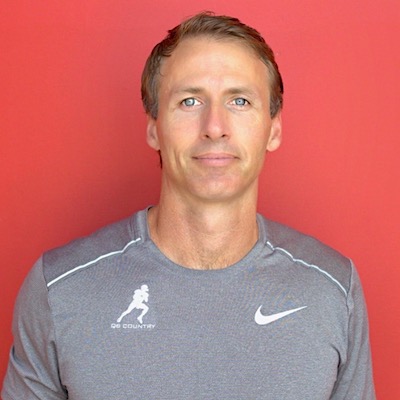
When it comes to training quarterbacks, a top coach remains a student
Posted On March 10, 2024
David Morris has trained a lot of quarterbacks. His company, QB Country, has trained four first-round NFL draft picks since he started it in 2009. Two more, Drake Maye and Bo Nix, could be first-round picks in this year’s draft. But Morris, our guest in the latest episode of “What’s Working with Cam Marston,” still believes that he has more to learn. “I’m more of a student now than I’ve ever been,” said Morris, a former collegiate quarterback at Ole Miss. “You can’t fake this stuff when you’re talking about guys that are going to be top 10 picks. Year-round,… Read More
Categories: Blog, Entrepreneurship, What's Working with Cam Marston
Designing great outdoor spaces and an engaging social media presence
Posted On March 3, 2024
We have talked before in this space with experts who tell us we need to harness the power of social media to build our personal brand, and build our business. Our guest in the latest episode of “What’s Working with Cam Marston” is someone who’s putting that advice to good use. Catherine Arensberg is a landscape architect in Mobile, Alabama, who has built quite a social media presence. She has 26,000 followers on Instagram, more than 5,000 on Facebook, and 8,000 on YouTube, where she hosts her own web series: Simple.Honest.Design. She’s done it by being authentic – followers have… Read More
Categories: Blog, Entrepreneurship, What's Working with Cam Marston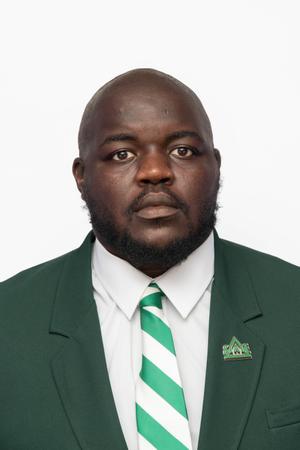
Trying to prepare for a life in football
Posted On February 27, 2024
Every football player’s dream is to play in the NFL one day. But what does it take to get there? Timaje Porter and Chancellor Moody hope to find out. Porter and Moody, our guests in a recent episode of “What’s Working with Cam Marston,” are at different points in their football careers. Moody is just starting his collegiate journey as a walk-on at the University of South Alabama. Porter, meanwhile, has finished up at Delta State University and is preparing for a shot at the pros. After several years of playing defensive line on the college level, he’s already got… Read More
Categories: Blog, What's Working with Cam Marston
Remote work and hybrid schedules are here to stay
Posted On February 19, 2024
If you want to know about work-from-home trends, Nick Bloom is the guy to ask. The William Eberle Professor of Economics at Stanford University, Bloom has been studying those trends for about 20 years. And Bloom says the hybrid work model is here to stay. Bloom, our guest in a recent episode of “What’s Working with Cam Marston,” recently shared the reasons for this in a guest essay in the New York Times entitled: “The five-day office week is dead.” After the worst of the COVID-19 pandemic subsided, people started returning to the office. But the return-to-office numbers leveled off… Read More
Categories: Blog, What's Working with Cam Marston, Work, Workplace
Minding your mental strength
Posted On February 14, 2024
Working on her mental strength helped Amy Morin get through the unexpected loss of her mother and husband. Now she’s helping others work on it too. Our guest in a recent episode of “What’s Working with Cam Marston,” Morin is the successful author of several books on mental strength – all centered on the premise of 13 things mentally strong people don’t do. A therapist by trade, her book series started as a blog post she wrote after losing her mother to an aneurysm and husband to a heart attack at age 26. “It was really my own journey… Read More
Categories: Blog, What's Working with Cam Marston